Why Hair Extension Brands Are Ditching Physical Color Rings for Digital Matching
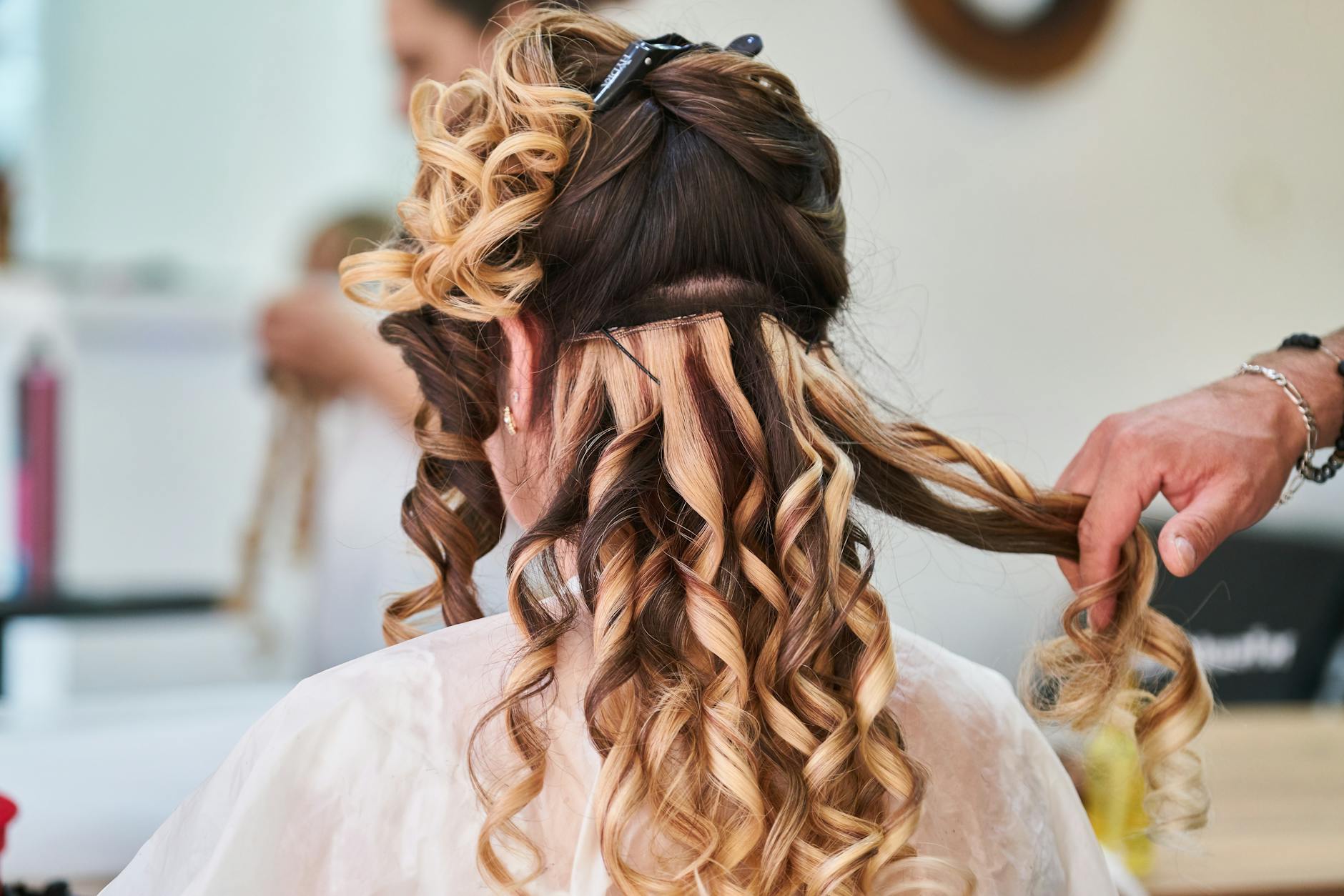
Physical color rings once defined the hair extension buying experience. Now, digital color matching is quietly becoming the new standard—especially for boutique brands.
Physical color rings used to be the gold standard for helping customers choose shades. Today, they’re increasingly a bottleneck—for your time, your margins, and your customer experience.
Why Physical Color Rings Are Losing Their Edge
Physical rings made sense when most sales happened in salons or in-person consults. But for online-first hair extension brands, they create friction instead of clarity.
Color rings fall short in a few key ways:
- Limited reach – You can’t ship a ring to every curious visitor who lands on your product page. - High overhead – Designing, producing, and updating rings eats into margin and time. - Inconsistent perception – Lighting, device screens, and even camera quality change how “that blonde” actually looks.
As more customers compare your shades to big-box competitors, physical rings simply can’t keep up with how people shop now.
The Rise of Digital Color Matching
Digital solutions are emerging because they solve problems where physical tools can’t: scale, speed, and data. Instead of hoping customers guess correctly, you can guide them in real time.
Modern digital color matching tools can:
- Match competitor shades to your inventory – Avoid the “I wear Bellami 60, what’s your equivalent?” email loop. - Work directly on your website – Keep customers engaged instead of sending them to DMs or email. - Capture valuable data – Learn which competitor shades your customers wear and which of your colors they end up choosing.
This shift isn’t about abandoning color education—it’s about delivering it where your customers already are: online, on-demand.
How Digital Tools Impact Your Bottom Line