Stop Wasting Time on “I Wear X Brand” Messages: A Simple System for Fast Color Matches
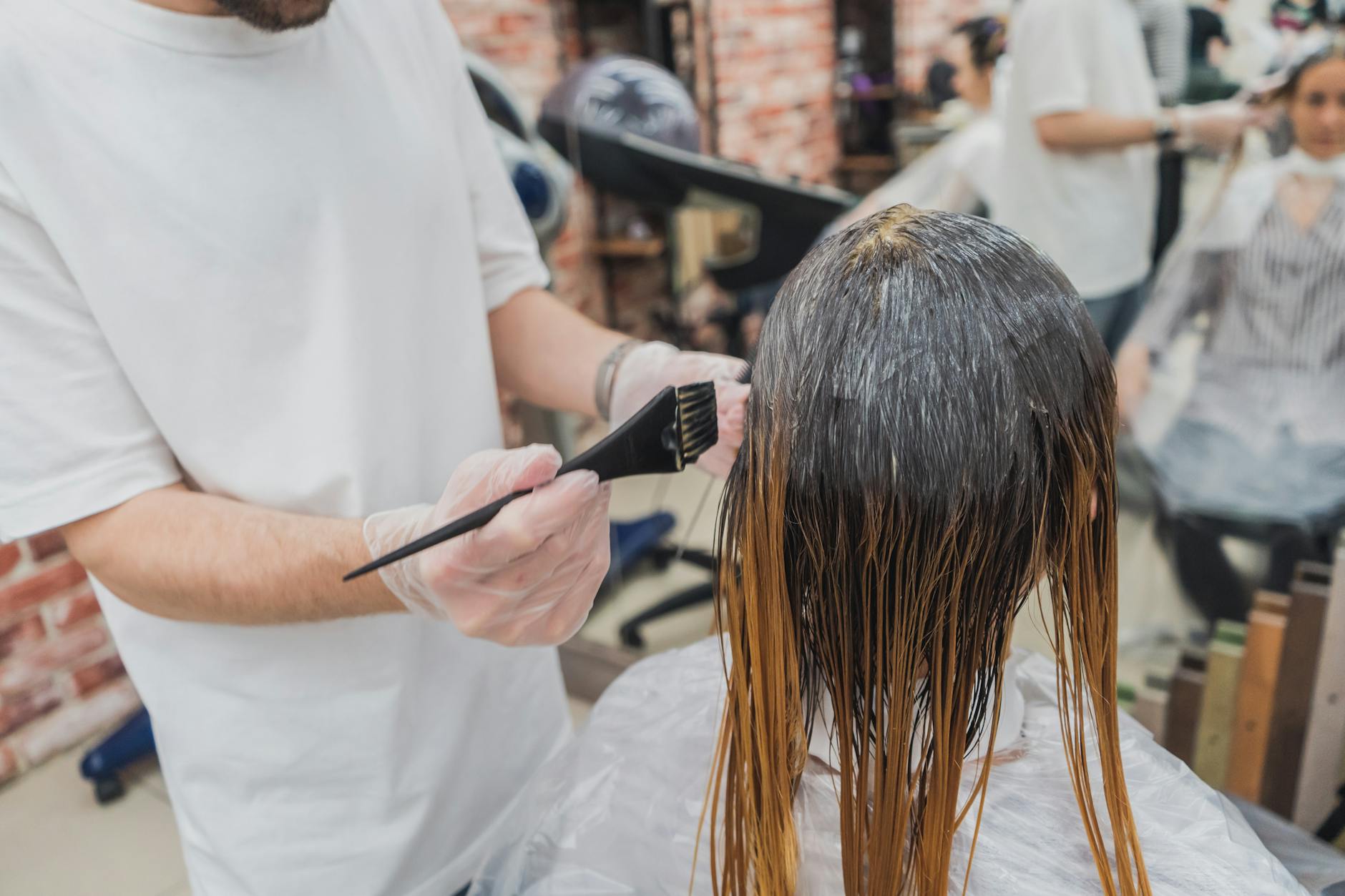
If your inbox is full of “I wear Bellami/Luxy/Zala, what’s my match?” you don’t have a people problem—you have a process problem. Here’s how to fix it with a repeatable system.
Every hair extension brand owner knows this message: “I wear [Big Brand], what shade is that in your line?” It feels harmless, but multiplied by dozens of DMs and emails a week, it eats your time, slows sales, and creates room for costly color mistakes.
You don’t need to answer faster—you need a system that makes these questions almost effortless to handle.
Step 1: Standardize Your Response Once
The first move is to stop rewriting the same answer every time. Create one clear, friendly template you and your team can reuse across email, DMs, and chat.
Include: - A simple acknowledgment - A request for what you need to match accurately - A link or tool that helps you close the loop fast
For example:
“Thanks for reaching out! Shade names vary a lot between brands, so to help you find the best match in our line, could you please send: • The exact shade name and length you wear in [Brand] • A photo of your hair in natural daylight (no filters) Once I have that, I can recommend the closest match in our range and let you know if you might need to blend two shades.”
Save this as a macro in: - Email (Gmail templates, Help Scout, Gorgias, etc.) - Instagram and Facebook quick replies - Website chat canned responses
Step 2: Build a Simple Competitor Shade Map
If you’re repeatedly seeing the same brands and shades, you can turn that chaos into an asset: a lightweight “competitor shade map.” It doesn’t need to be perfect, just useful.
Start with your top 3–5 competitor brands: - Bellami - Luxy - Zala - Insert the two brands you hear about most
Then, for each frequent shade (e.g., Bellami “Dirty Blonde 18”): - Identify your closest single-shade match - Note when it usually requires: - Rooted vs non-rooted - Two shades blended - A warning: “often too warm/cool compared to ours”