How to Build Rock-Solid Customer Confidence in Online Hair Color Selection
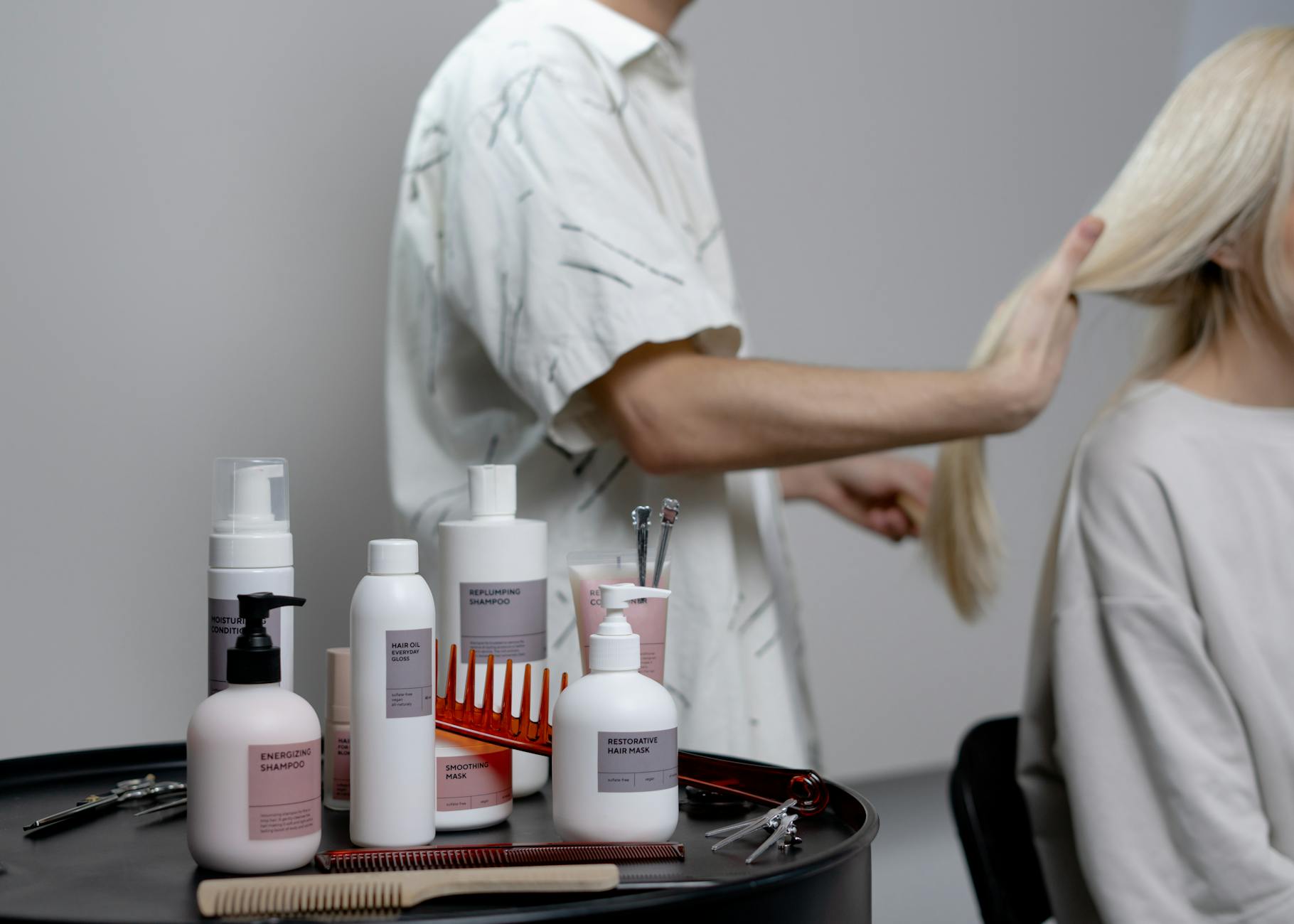
Color confusion is quietly killing your conversions and driving returns. Here’s how to make shoppers feel 100% confident clicking “Add to Cart.”
Color is the moment of truth for your hair extension brand. If customers don’t trust that the shade on their screen matches their real hair, they either don’t buy—or they buy and return.
When you remove doubt from color selection, you don’t just reduce returns—you increase conversions, repeat customers, and word-of-mouth.
Start by Reducing Visual Guesswork
Most shoppers don’t understand levels, tones, or undertones. They’re scanning your site thinking, “Will this actually match my hair?” Your visuals need to answer that instantly.
Strengthen your product pages with:
- Multiple lighting conditions: Show each shade in natural light, indoor light, and indirect light. - Different hair types & lengths: Straight, wavy, dark roots, highlights—reflect real-world variety. - Zoomed-in texture shots: Close-ups that show undertone and dimension, not just a flat swatch. - Side-by-side comparisons: “Shade A vs Shade B” for commonly confused colors.
This level of detail signals professionalism and reduces the feeling that customers are buying blind.
Make Color Naming and Descriptions Customer-Friendly
Many brands unintentionally confuse shoppers with either overly technical names or vague color descriptions. Your goal is clarity, not cleverness.
Tighten your naming and descriptions by:
- Pairing a name with a plain-language label: “Mocha Melt – Medium brown with warm, soft caramel highlights.” - Highlighting undertone clearly: Use simple terms like warm, cool, neutral instead of just “Ash 7N.” - Adding a “good for you if” line: “Best for brunettes who find most browns either too red or too ashy.” - Calling out common mis-matches: “If your hair looks almost black indoors, choose our darkest brown instead.”
Remove jargon where possible. If someone has to Google your color terms, you’ve already lost them.